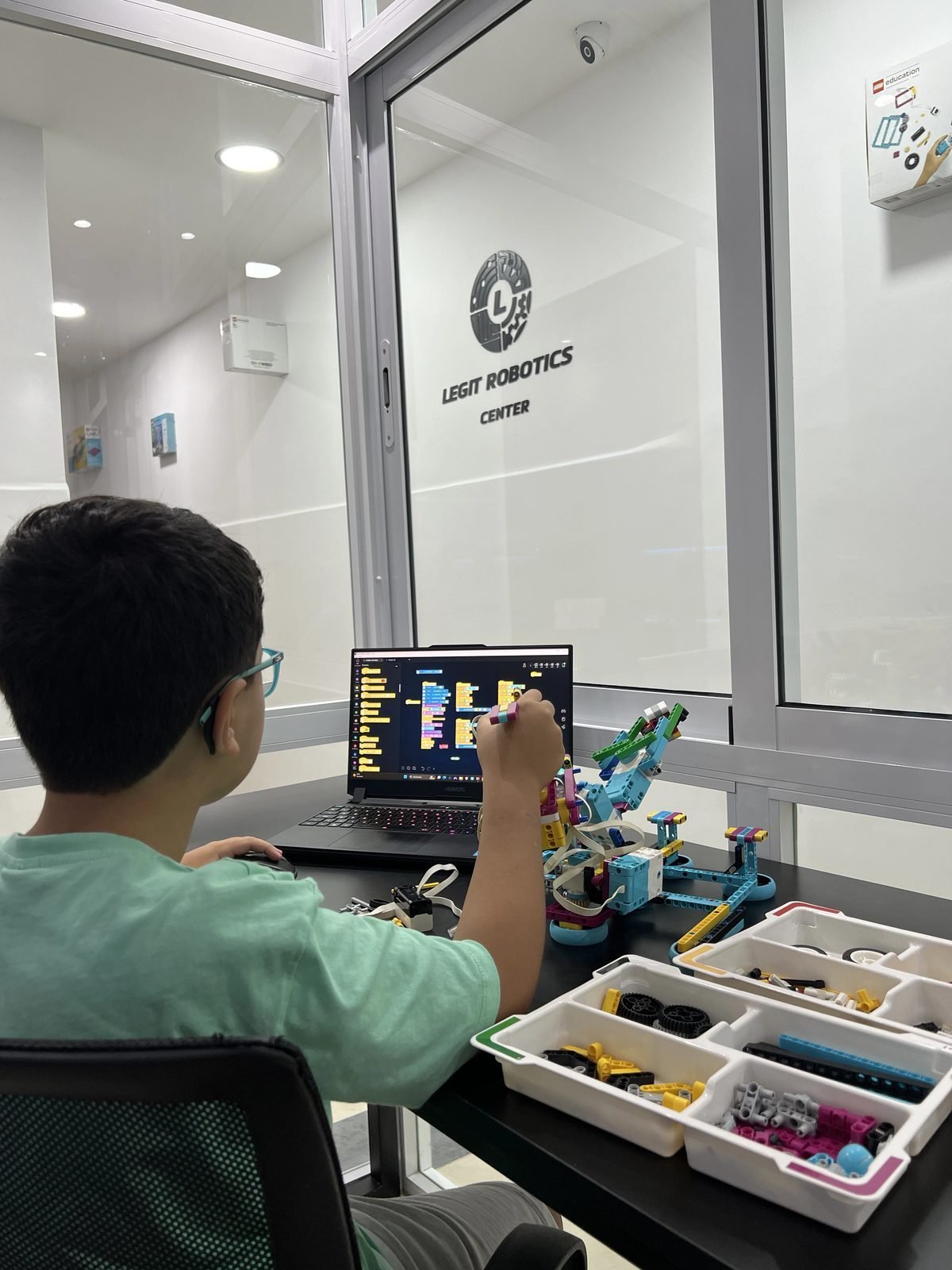
Where the journey begins. We transform children's natural wonder and curiosity into real, measurable engineering fundamentals — using professional-grade tools, not toys. Every child leaves each session having built something that works.
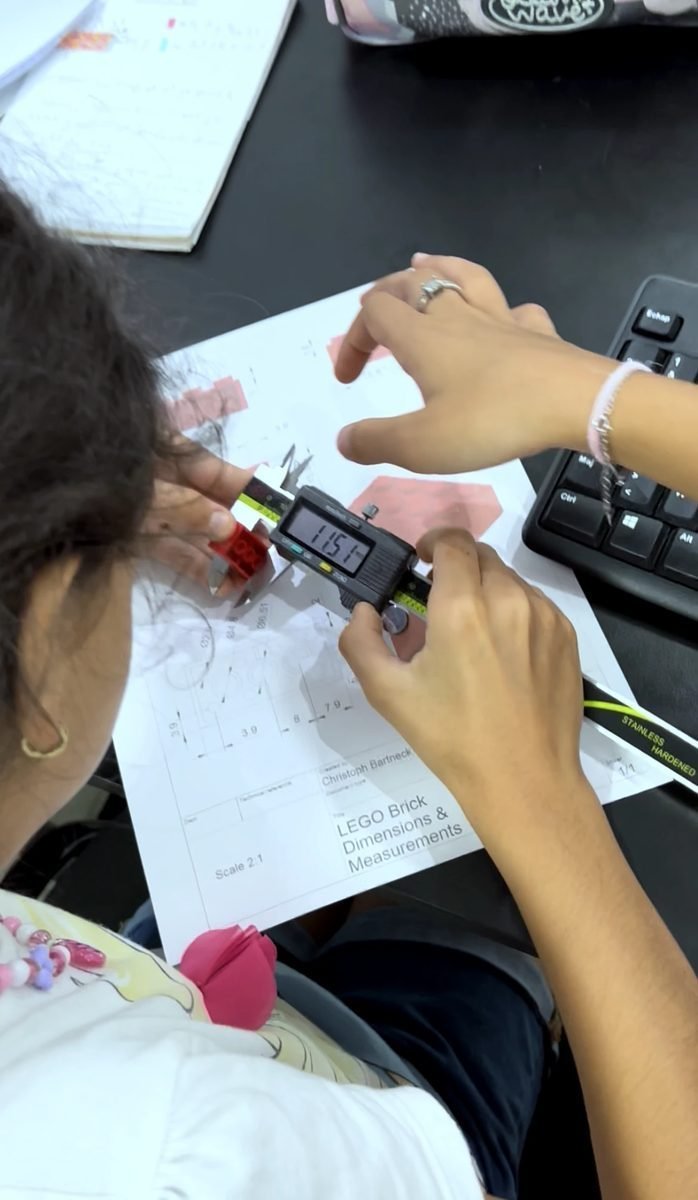
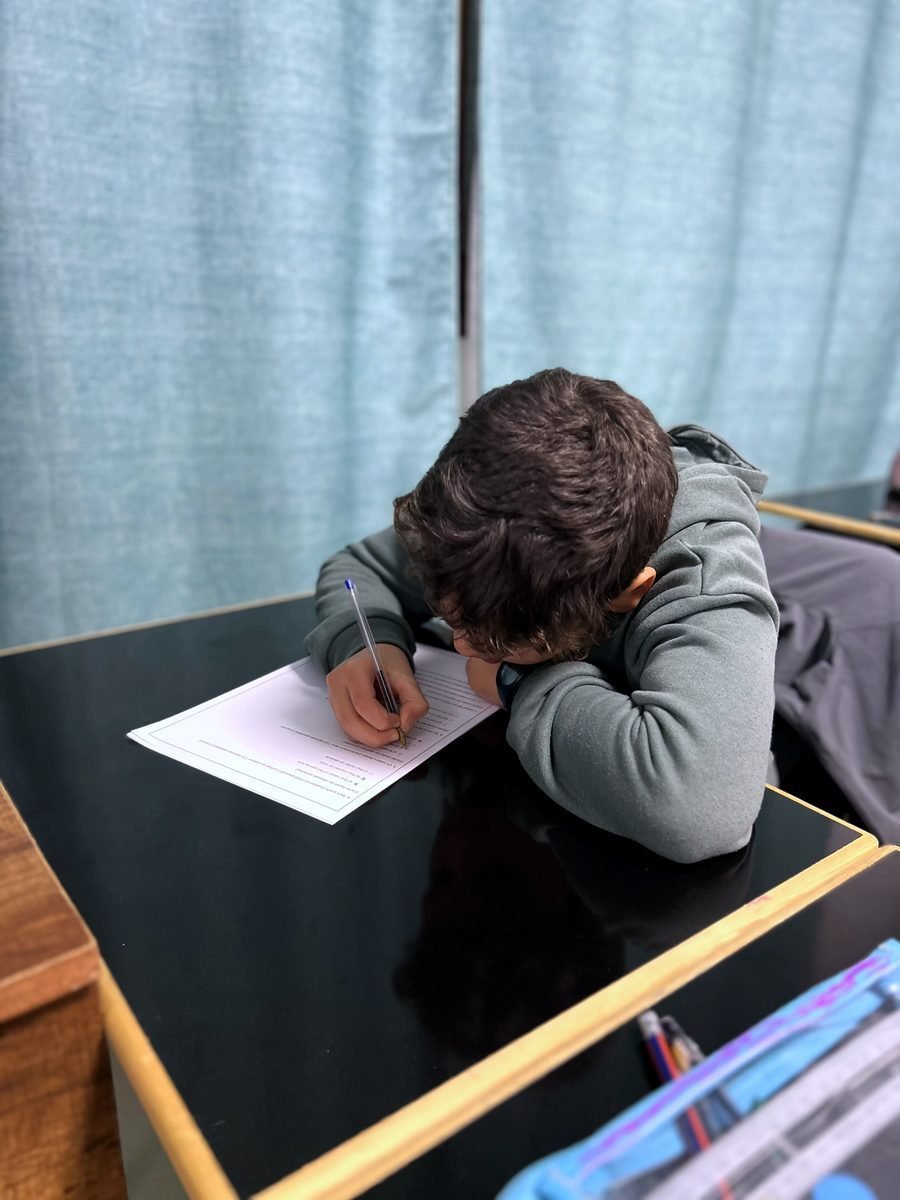
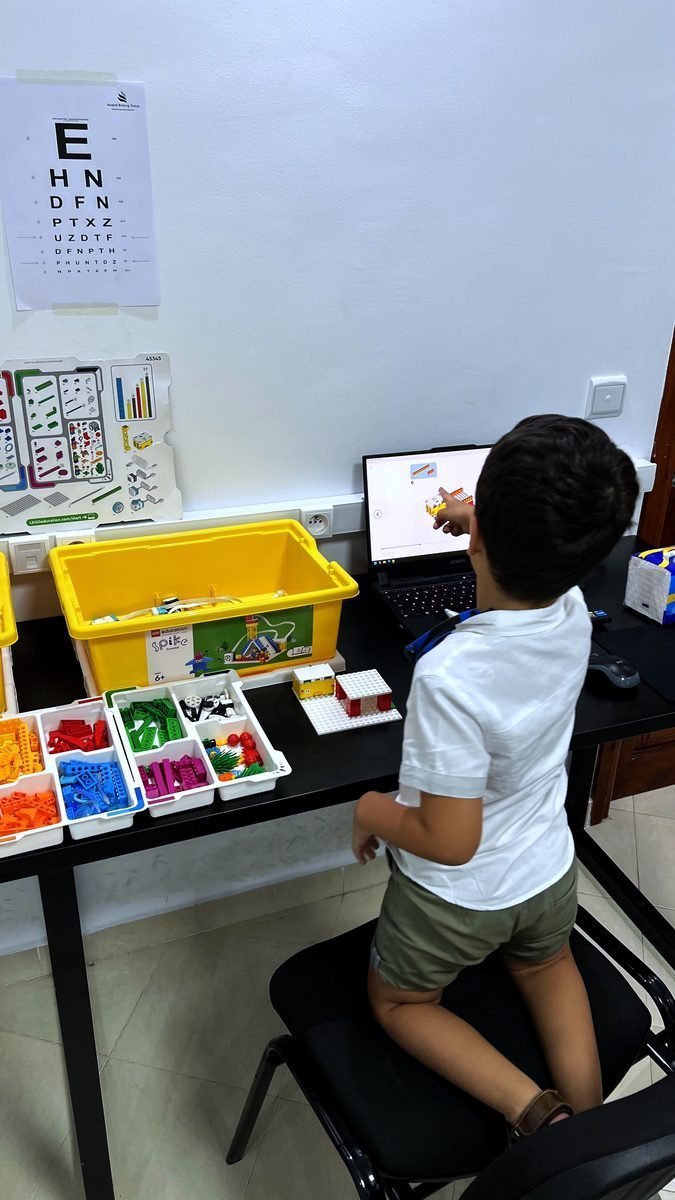
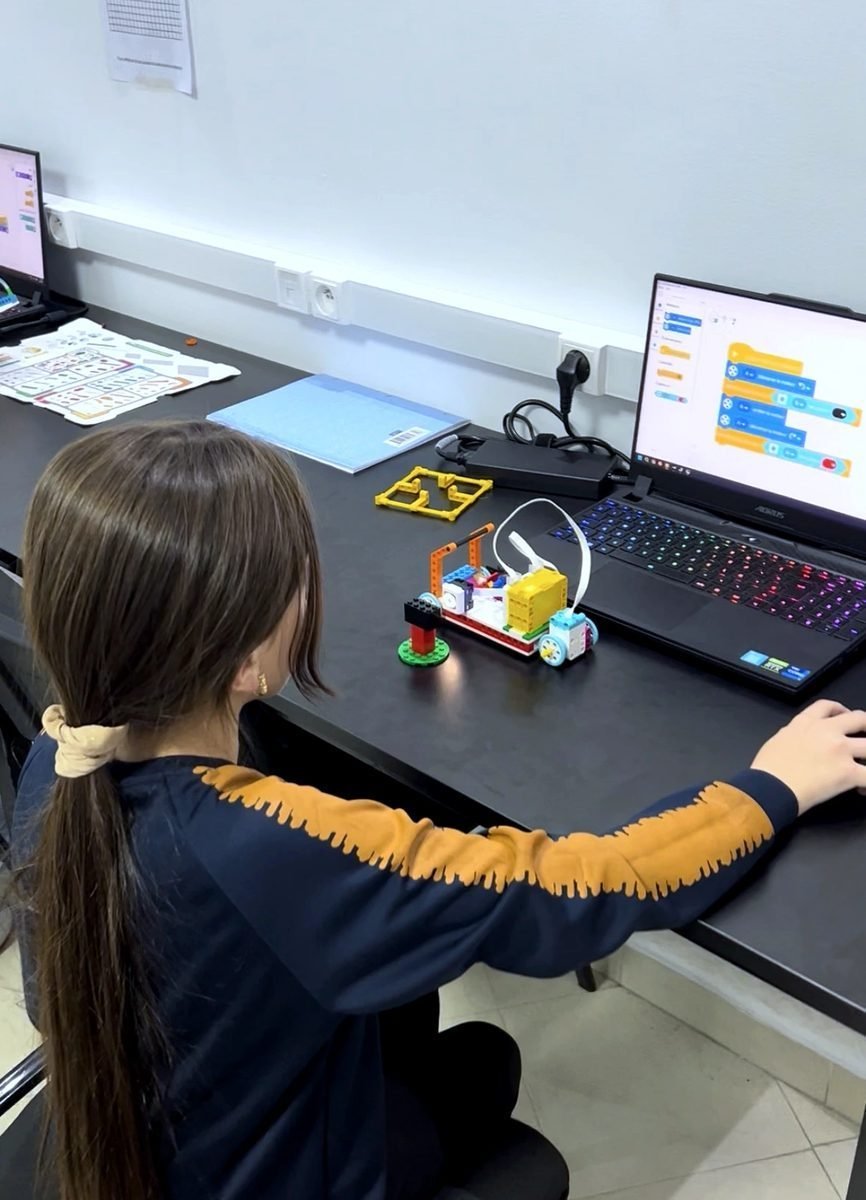
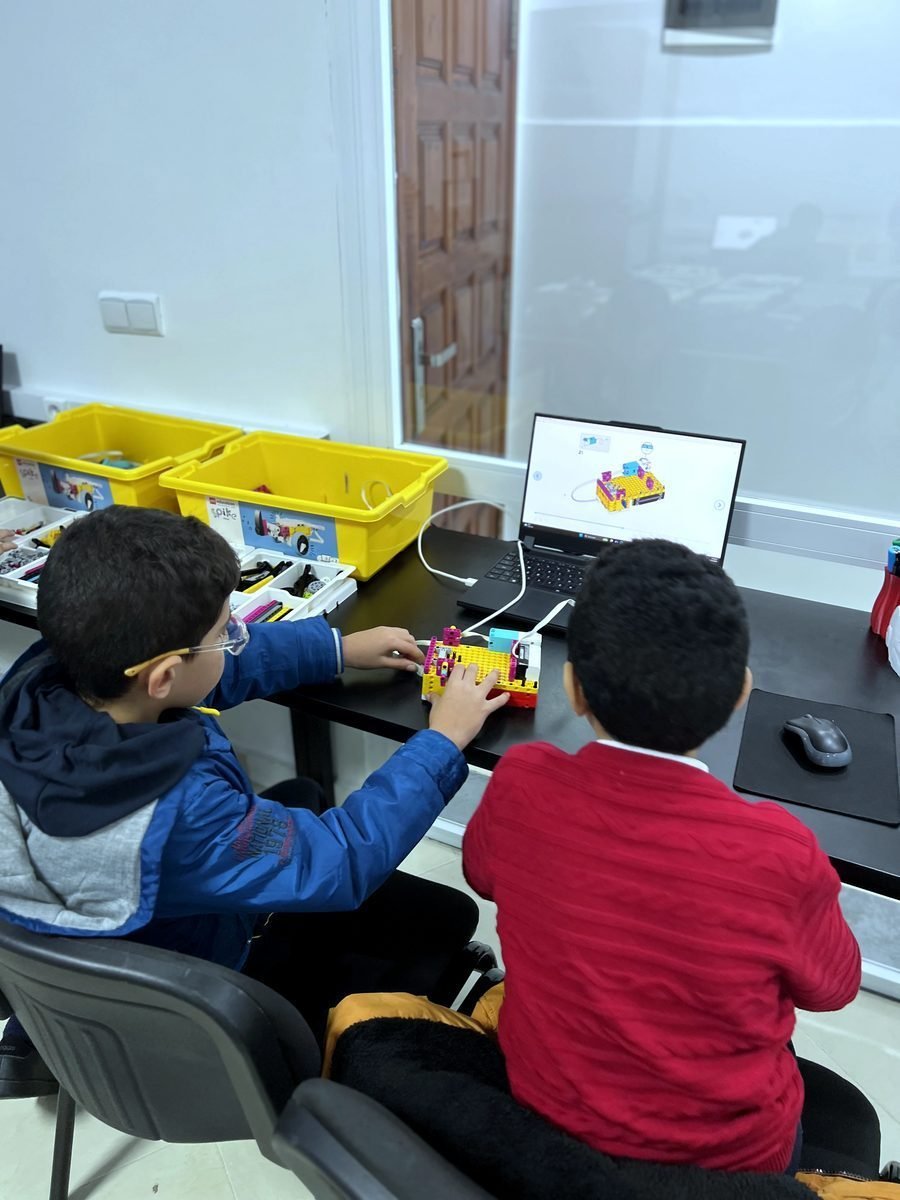
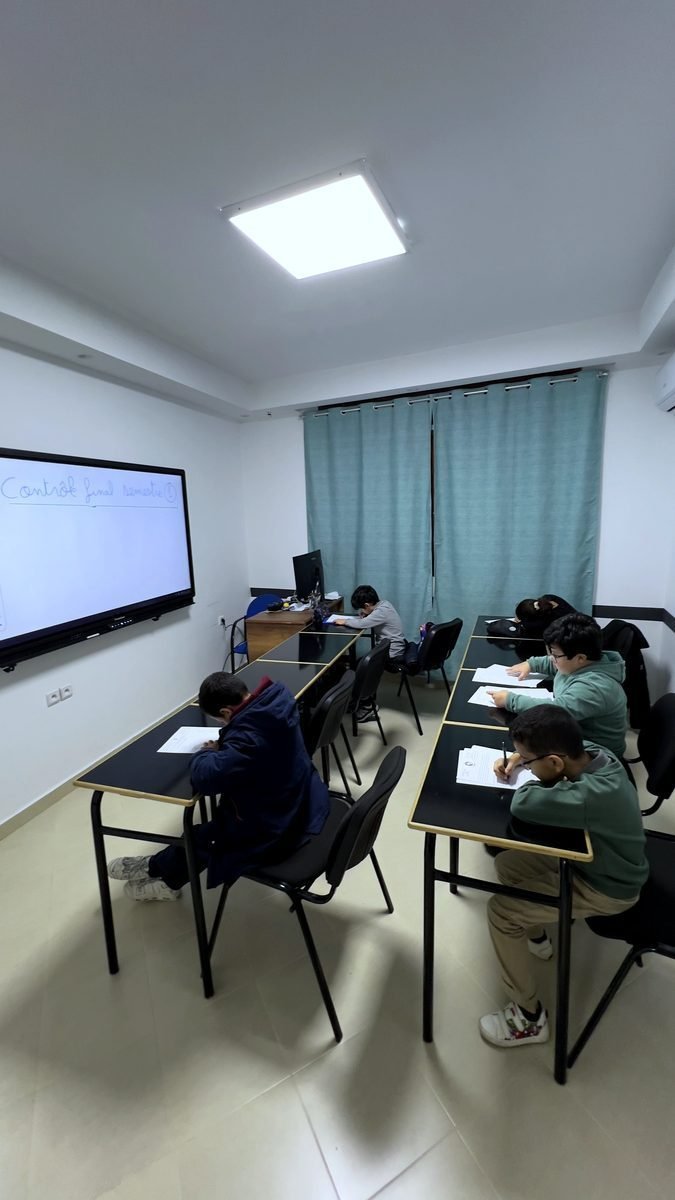
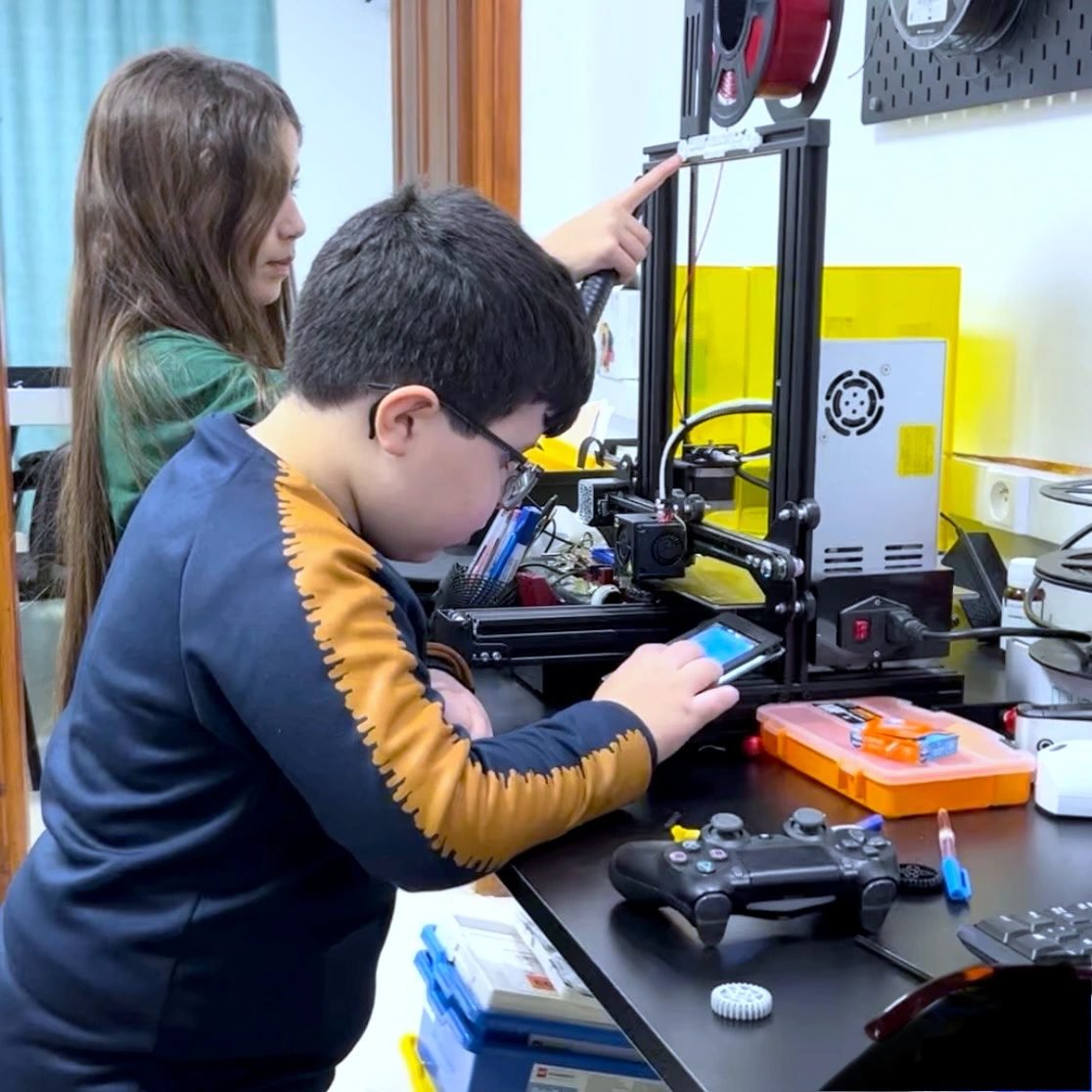
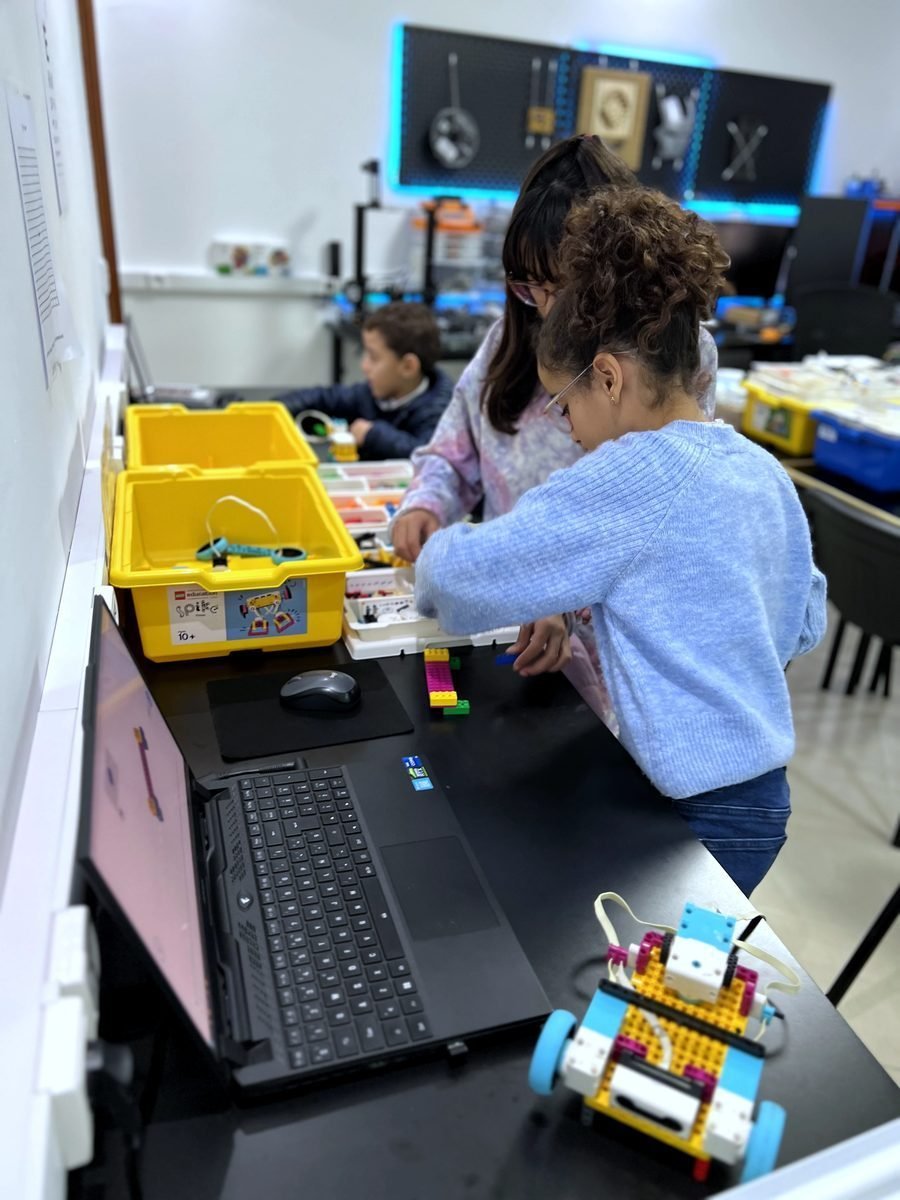
Un aperçu de ce programme en action — projets, réalisations et démonstrations.


Five interconnected disciplines that together build a real understanding of how machines think, move, and learn.
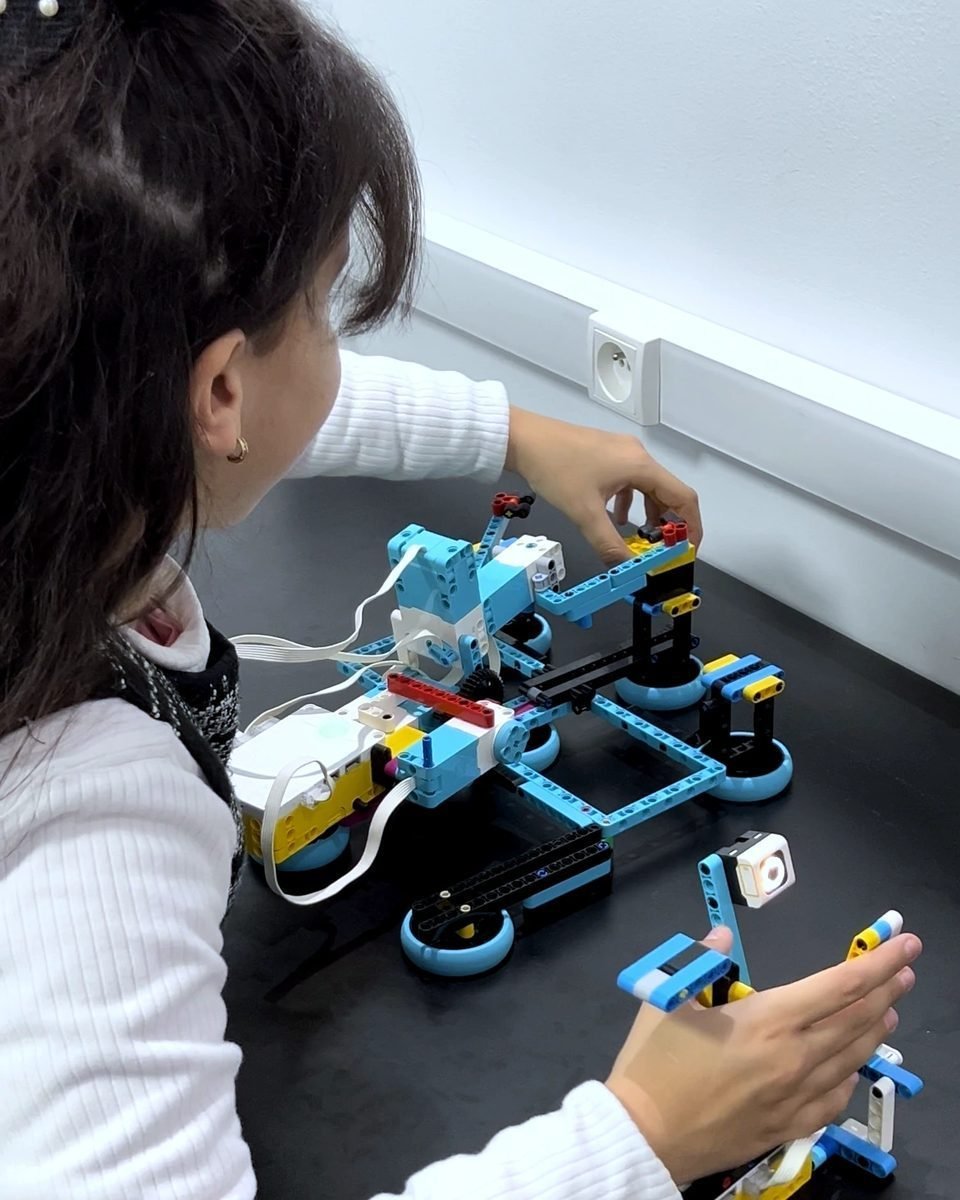
Students learn the anatomy of a robot through hands-on construction with LEGO Spike Prime kits. They understand that every robot has three core systems: sensors (input), controllers (processing), and actuators (output) — and how information flows between them. This isn't just building with blocks; it's learning how real machines are designed.
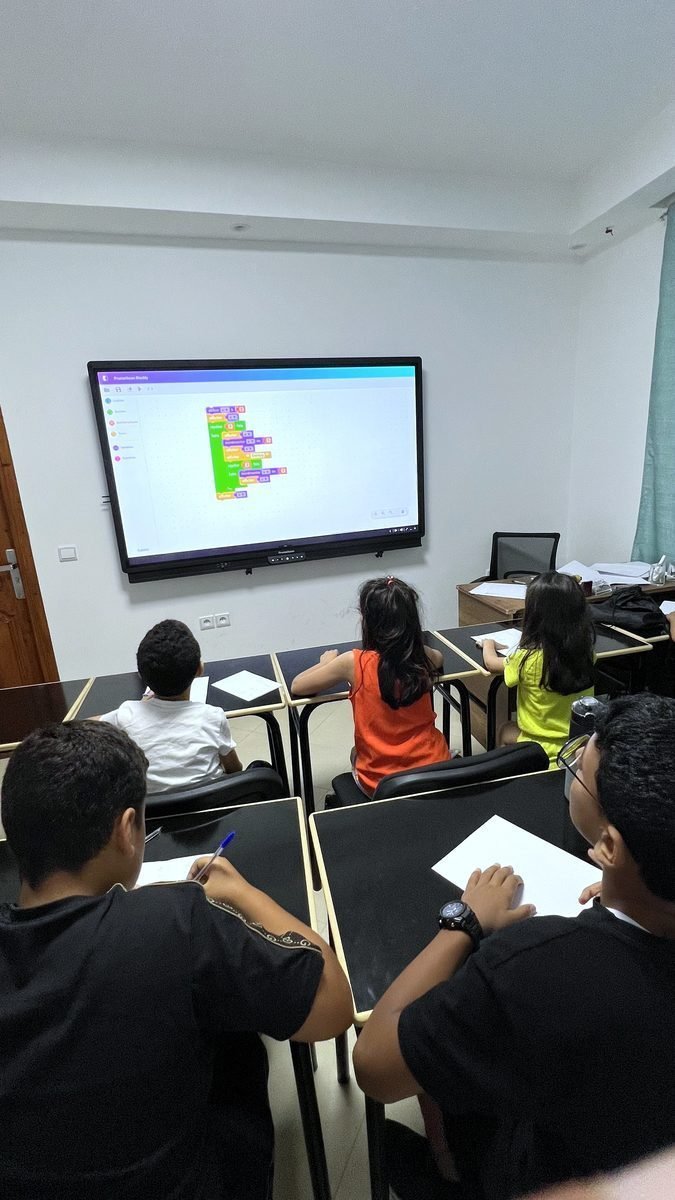
Before writing a single line of text code, students master the logic of programming through Scratch's visual block system. Every concept — loops, conditionals, variables, events — is learned through building real, interactive projects: games, animations, and robot control programs.
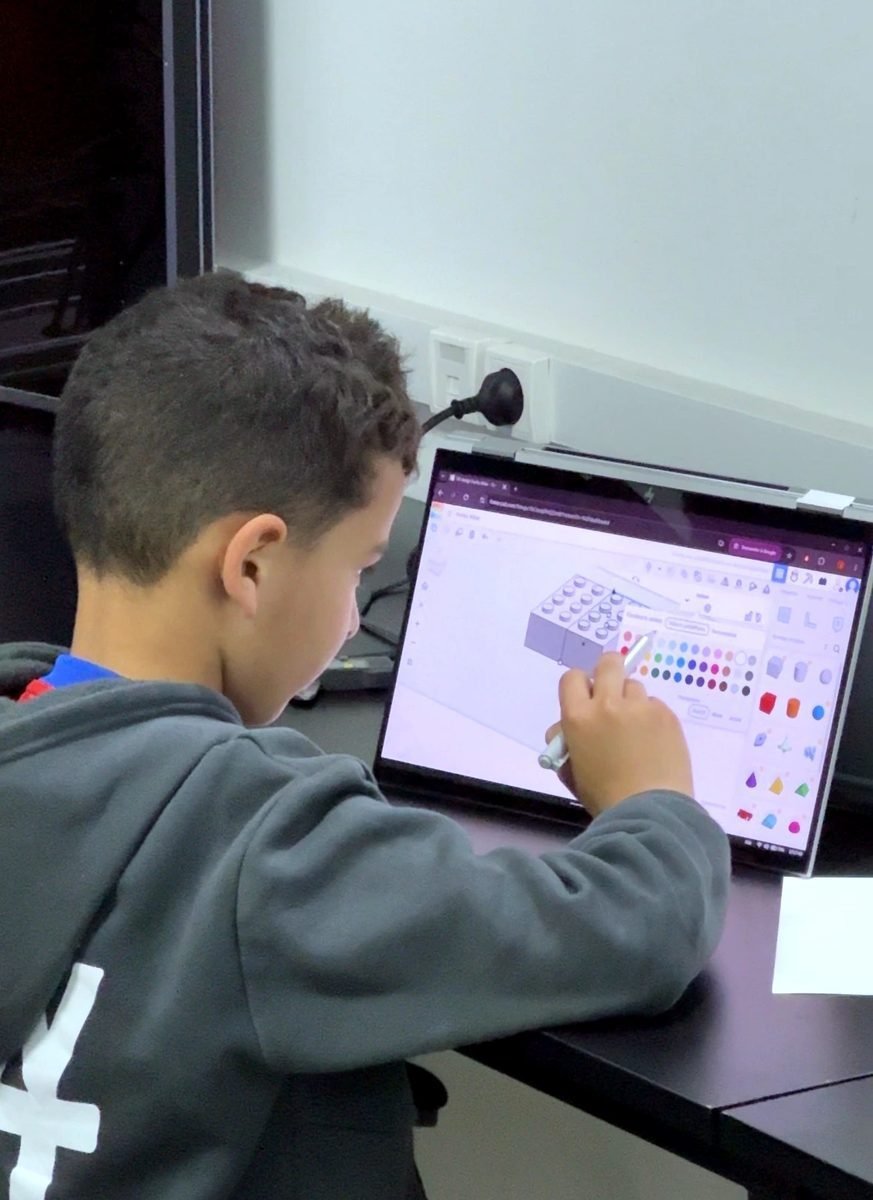
Students develop spatial reasoning and mechanical design skills through Tinkercad's intuitive 3D modeling environment. They learn to design custom robot parts, chassis, and enclosures — understanding that an engineer must visualize and create the physical components their project needs.
Even at this age, our students don't just use AI — they create their own AI models. They build and test custom datasets for four key areas: image classification, object detection, pose estimation, and audio classification. They see firsthand how machines learn from data.
We don't teach math and physics in a vacuum. Instead, these concepts are woven directly into every project. When a robot needs to turn at a specific angle — that's geometry. When a motor needs to spin faster — that's understanding ratios. Students learn to see science not as a subject, but as a tool for building real things.
Our teaching methodology is engineered to develop autonomous, resilient young thinkers.
Every session has a clear engineering goal. Students don't practice exercises — they build real, functional things that solve real problems.
Students learn to use Gemini and ChatGPT as research tools — asking questions, pasting errors, and iterating on solutions like real developers.
Our teachers are engineers and PhD researchers — they bring real-world experience, not textbook theory, to every session.
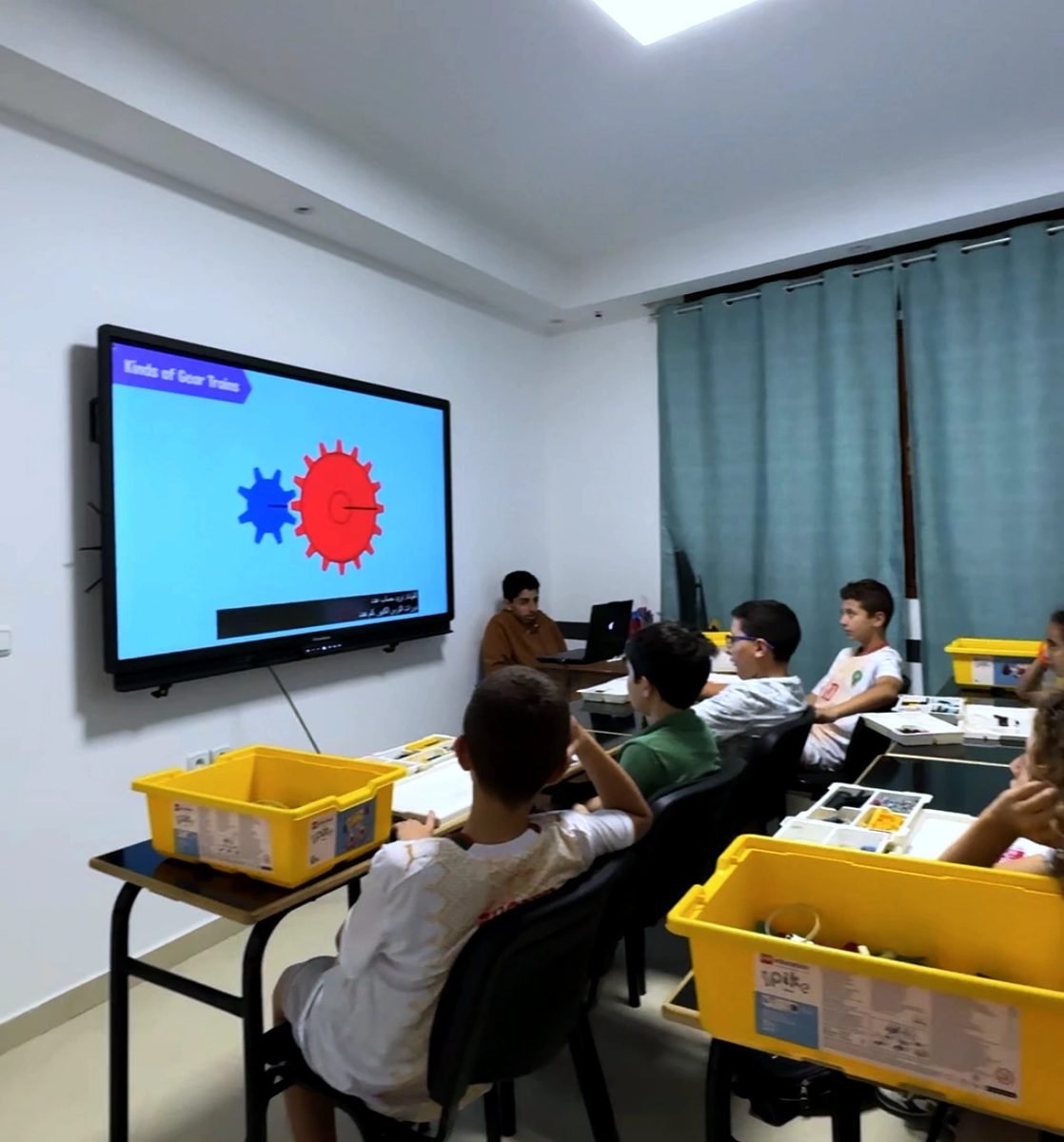
Maximum 10 students per session ensures personalized mentoring. Every child gets hands-on time with equipment and direct instructor feedback.
Our curriculum is continuously updated with the latest tech. We don't wait for universities — we create the courses that universities will teach in 5 years.
The real engineering cycle: design it, build it, test it, fix it, improve it. Failure is never punished — it's celebrated as a learning step.
Industry-recognized robotics construction system with integrated sensors, motors, and programmable hubs
MIT's visual programming environment — the global standard for introducing children to coding logic
Autodesk's intuitive 3D design tool for modeling custom robot parts and mechanical components
Generative AI assistants used as research and debugging tools — teaching prompt engineering from day one
Our proprietary kit — currently in development and testing by our R&D team. Designed to solve the limitations of existing branded educational kits. Coming soon.
Design and assemble a working robot with sensors, motors, and logic — understanding every component's purpose.
Create their own programs with loops, conditionals, and variables — and debug them independently.
Model custom 3D parts that can be 3D printed — turning ideas from imagination into physical objects.
Create their own machine learning datasets and train models for image recognition and audio classification.
Use AI tools and online resources to find answers, debug problems, and explore new concepts on their own.
Approach problems systematically: define it, research it, design a solution, build it, test it, improve it.
Book a visit to see how our Level 1 students are already building robots, training AI models, and thinking like engineers — from age 5.